.svg "novoserve-dedicated-server-provider-logo")
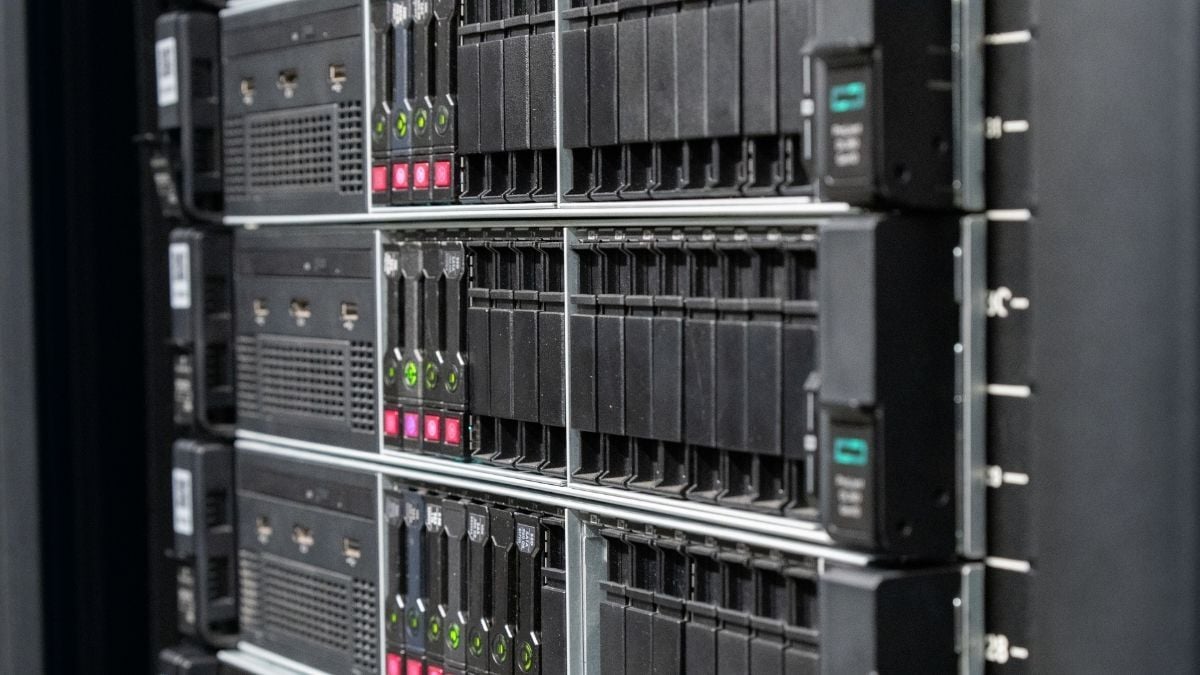
The term "AI server" is everywhere, but deploying artificial intelligence workloads requires moving from abstract concepts to concrete hardware reality. An dedicated AI server is not a magical black box. It is a high-performance dedicated server with GPU engineered with a carefully balanced architecture to eliminate bottlenecks during massive parallel processing tasks.
While the GPU gets the spotlight, a truly effective system requires the CPU, RAM, storage, and network to operate in absolute sync. Having deployed 500+ dedicated AI servers in our own data centers, we know exactly where these systems choke and how to optimize them. Let’s break down the exact hardware components, the best practices for optimizing dedicated AI server hardware performance, and the real-world economics of building your infrastructure.
AI server requirements
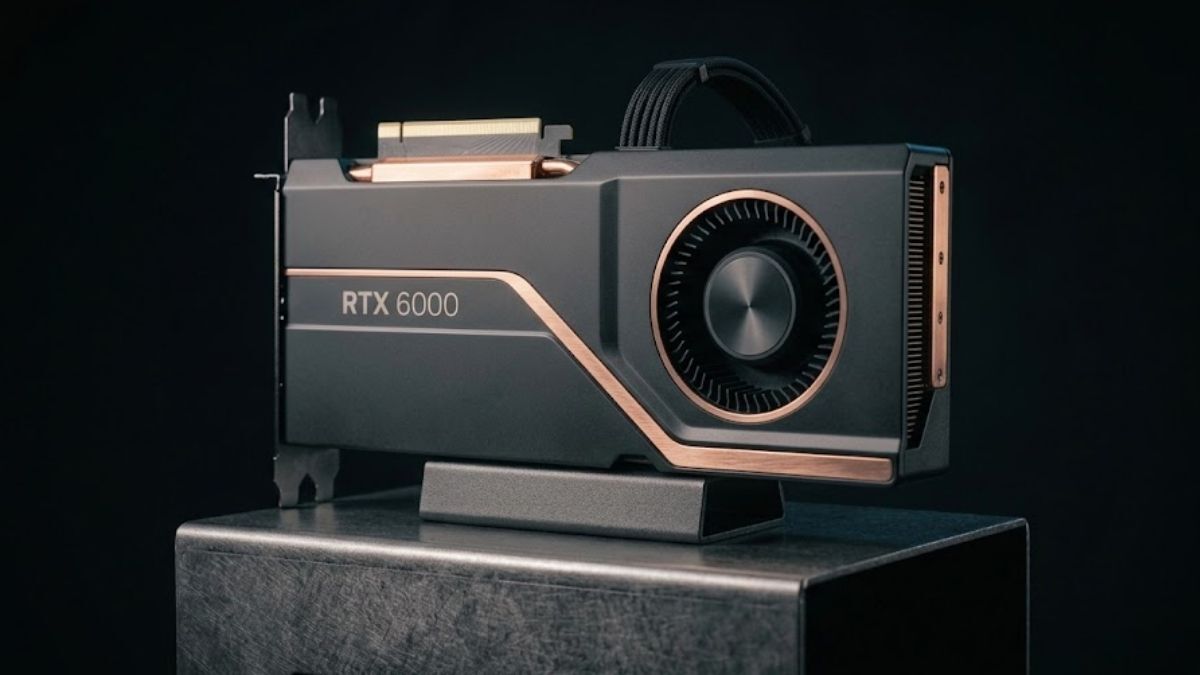
A dedicated AI server demands a holistic hardware approach. The single biggest differentiator of this hardware is its reliance on Graphics Processing Units (GPUs) for matrix operations and tensor calculations. However, a powerful GPU starves without constant data delivery.
First, CPUs must manage the system and feed the GPUs without delay. We recommend CPUs with high PCIe lane counts, like the AMD EPYC series, to widen the data highway between storage and compute. If you restrict PCIe lanes, your GPUs sit idle waiting for data packets.
Second, massive datasets require massive memory. Before a dataset reaches the GPU, it loads into the system's main memory. While 128GB is the absolute minimum, 256GB to 512GB of ECC RAM is our recommended starting point for serious workloads. ECC (Error-Correcting Code) RAM is vital here; bit flips during a multi-day training run can corrupt an entire model.
Finally, storage speed directly impacts your time-to-train. Standard SATA SSDs cannot handle the required IOPS (Input/Output Operations Per Second). NVMe SSDs are non-negotiable. Their massive throughput and microsecond latency can literally shave days off your training schedules.
A balanced AI server architecture
Building a robust dedicated AI server architecture means eliminating latency across the entire data path. It requires a holistic design where no single component waits for another.
In AI dedicated server hosting, networking is just as critical as compute power. When syncing massive datasets across server clusters, a standard 1Gbps port will immediately choke your operations. We provision 10Gbps to 50Gbps unmetered dedicated ports to ensure your nodes communicate without constraint.
To support this, your server must connect to a high-capacity backbone. NovoServe operates an 19+ Tbps network backbone with multiple Tier-1 transit providers and 800+ peering partners, ensuring you never face network congestion or routing latency.
AI server hardware optimization practices
Squeezing every flop out of your hardware requires strict configuration. Here are the best practices for optimizing AI server hardware performance based on our data center operations:
- Enable NUMA pinning: Non-Uniform Memory Access (NUMA) pinning ensures your CPUs and GPUs access the physical memory banks closest to them on the motherboard, drastically reducing latency.
- Configure RAID properly: Use optimized RAID arrays on your NVMe drives. This balances raw read/write throughput with necessary dataset redundancy so you don't lose days of training data to a single drive failure.
- Monitor PCIe saturation: If your PCIe lanes are maxed out during training runs, distribute the workload across multiple nodes rather than stacking more GPUs into a single chassis.
- Manage thermal output: GPUs run extremely hot under sustained loads. Pay attention to temperature warning emails from your IPMI. Thermal throttling will silently downclock your GPUs, destroying your performance metrics.
- Leverage aggregated bandwidth: Utilize 95th percentile aggregated bandwidth billing on multi-server clusters. This allows your infrastructure to absorb massive data ingestions efficiently without hitting individual port limits.
Cloud and dedicated AI server prices
Renting a GPU instance from a major cloud provider appears convenient, but it rapidly becomes prohibitively expensive for sustained workloads. Hourly costs for powerful GPUs easily run into thousands of dollars per month. Cloud infrastructure is highly virtualized, meaning you often suffer from the "noisy neighbor" effect, where shared hypervisor resources degrade your processing speeds.
A dedicated AI server provides a fixed, predictable monthly cost. You secure 24/7, unrestricted bare-metal access to your hardware. This model allows you to experiment, train, and deploy models without worrying about surprise bills or hidden bandwidth egress fees. For long-term AI strategies, the Total Cost of Ownership (TCO) of a bare metal server is significantly lower.