.svg "novoserve-dedicated-server-provider-logo")
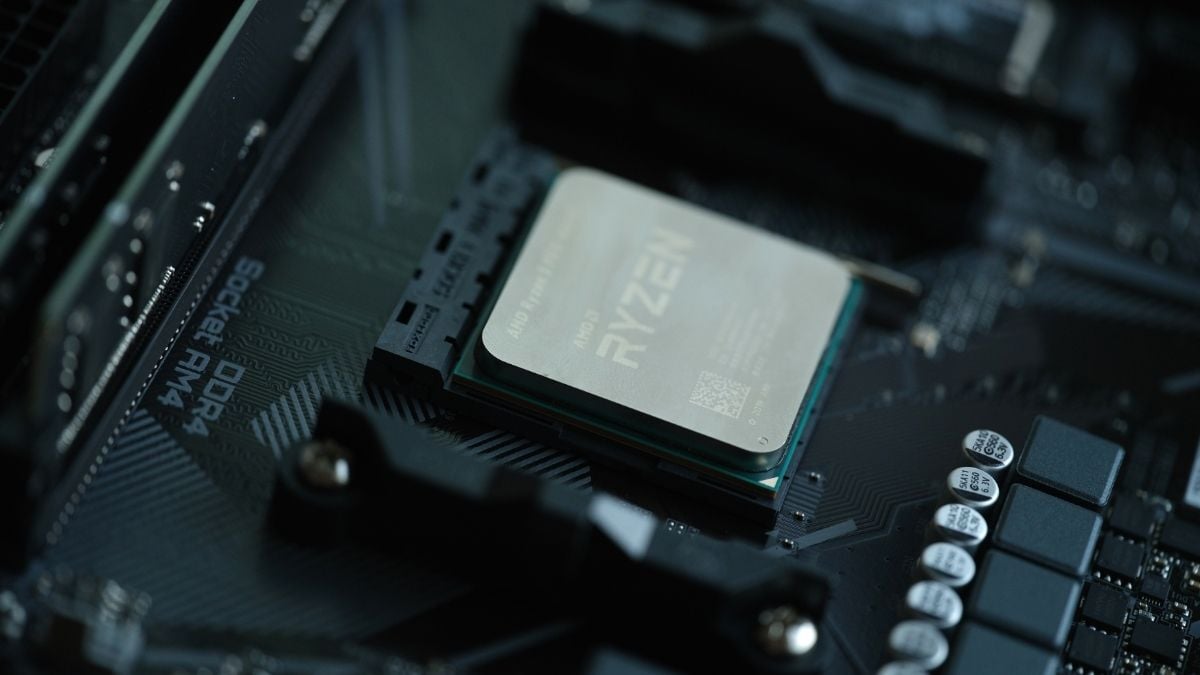
The hosting market is shifting rapidly. Consumer-grade hosting providers such as Hetzner and OVH are steadily increasing their prices, driven by a shortage of cheap stock and the high costs associated with consumer-grade DDR5 RAM. Gamers, hobbyists, and commercial game hosting providers have historically relied on desktop-grade AMD Ryzen processors to secure high clock speeds at budget prices. That era of cheap consumer silicon is closing.
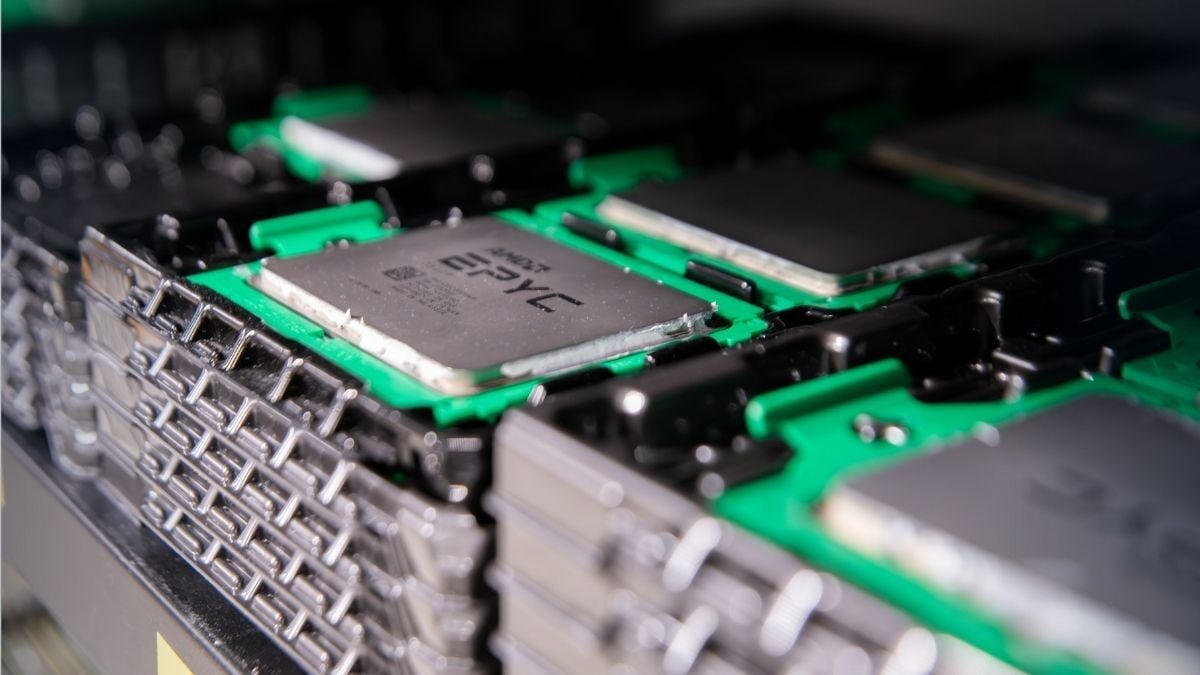
If you operate a professional hosting company dealing with these price hikes, securing a reliable hardware alternative is critical. Consumer-grade hardware functions well for an isolated, private game server. However, when your business model relies on hosting dozens of virtualized game instances per physical machine, consumer silicon fails. Enterprise architecture is mandatory. AMD EPYC dedicated servers consistently outperform single-CPU Ryzen offerings in multi-tenant environments, delivering maximum compute density and uncompromising node stability.
Compute density and cache contention
To understand where EPYC outpaces Ryzen, you have to look at how compute resources are allocated. We reviewed the CPU benchmarks conducted by PassMark to compare standard Ryzen consumer chips against our EPYC server infrastructure.
Ryzen processors operate with exceptionally high base clocks, making them incredibly fast for isolated, single-threaded tasks. However, when you stack 15 to 20 game servers on a single 8-core Ryzen chip, those virtual instances immediately begin fighting for the same limited L3 cache and thread cycles. This contention causes severe latency spikes across all hosted instances.
Here is the raw PassMark CPU benchmark data comparing the consumer-grade Ryzen 7 7700X with three enterprise AMD EPYC deployments:
|
CPU Model |
Cores / Threads |
Base Clock |
Turbo Clock |
PassMark CPU Mark |
Single Thread Rating |
|
AMD Ryzen 7 7700X |
8 / 16 |
4.5 GHz |
5.4 GHz |
35,500 |
4,200 |
|
AMD EPYC 4344P |
8 / 16 |
3.8 GHz |
5.1 GHz |
33,300 |
3,450 |
|
AMD EPYC 7402 |
24 / 48 |
2.8 GHz |
3.35 GHz |
46,300 |
2,250 |
|
AMD EPYC 7702 |
64 / 128 |
2.0 GHz |
3.35 GHz |
68,800 |
2,050 |
The Ryzen 7 7700X dominates the single-thread rating. If you are hosting one massive Minecraft server with a heavy modpack, Ryzen is the right tool for the job. However, looking at the total CPU Mark, the AMD EPYC 7702 delivers nearly double the overall compute capacity of the 7700X.
In a commercial gaming hosting environment where you slice bare metal into smaller VPS nodes, core count and cache separation dictate your profitability. EPYC architecture ensures that one heavy user running a resource-intensive Rust or ARK server does not drag down the performance of the other 20 instances running on the same physical box.
The DDR5 shortage
Processor speed is only half of the hosting equation; memory capacity is equally critical. The current market is facing a severe shortage of cheap memory, which is the primary reason providers relying on Ryzen 7000-series hardware are experiencing stockouts and raising monthly fees.
Ryzen's reliance on expensive, limited DDR5 RAM creates a hard ceiling on profitability. We bypass this bottleneck entirely. Because of extensive enterprise inventory, EPYC platforms such as the HPE DL325 G10 and HPE DL385 G10 support massive, highly cost-effective DDR4 allocations.
In virtualization and database hosting, high-capacity RAM allocations heavily outvalue slight increases in memory speed. Game servers are notoriously RAM-hungry. You achieve a significantly higher return on investment by running a 64-core AMD EPYC 7702 with 512GB of DDR4 memory than by trying to squeeze paying clients onto an 8-core Ryzen constrained by a strict 64GB DDR5 limit.
Enterprise stability
Professional hosting customers demand total stability and high availability. With the rising baseline costs of consumer-grade hosting, upgrading to enterprise-grade bare metal no longer requires a massive price jump.
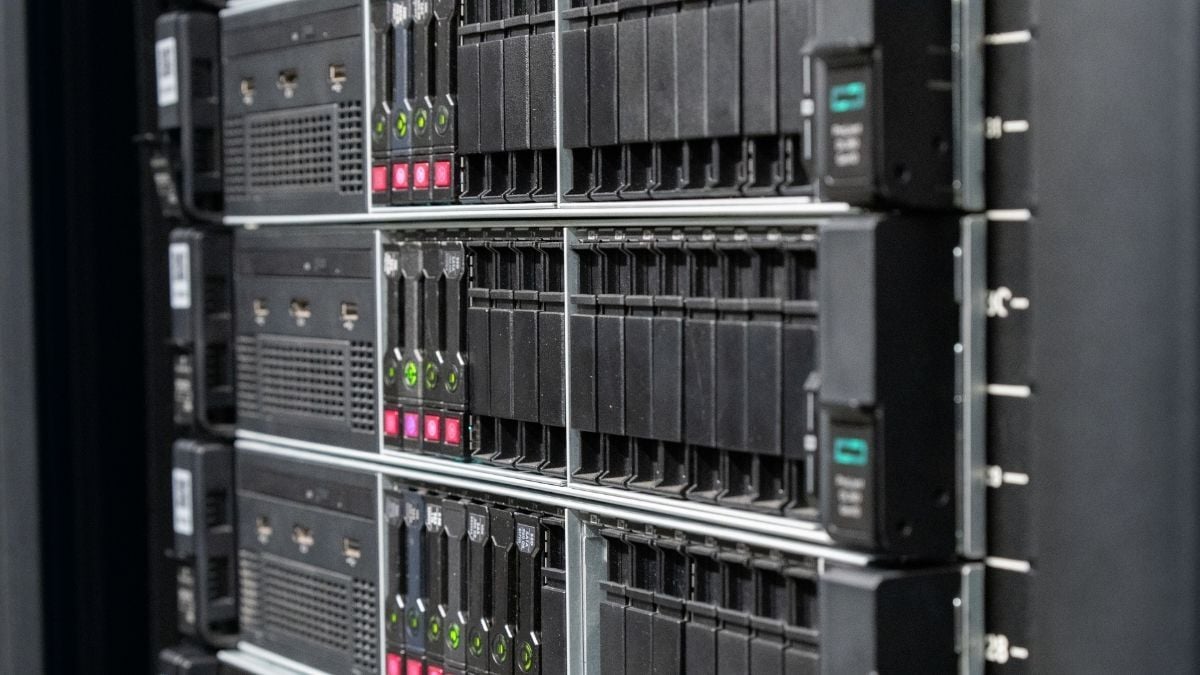
Enterprise deployments utilizing HPE DL325 and Supermicro server chassis eliminate the hardware failure points common in consumer gear. Using a single EPYC 7402 or 7702, HPE DL325 deployments deliver massive total performance at a highly competitive price point. For extreme node density, the HPE DL385 Gen10 equipped with dual AMD EPYC 7742 processors allows you to deploy 128 physical cores in a single 2U box.
Furthermore, enterprise chassis include redundant power supplies (PSUs) and redundant cooling fans. A single PSU failure will not take your clients offline.
Remote management is another critical upgrade. Providers relying on consumer hardware often require you to submit a support ticket and wait hours for a technician to physically connect a KVM spider if a network interface drops. With HPE and Supermicro servers, you have instant, out-of-band IPMI/iLO access to the BIOS. You can troubleshoot configurations, reload operating systems, or fix firewall lockouts in minutes without relying on external support staff.
The network advantage
Game servers are useless if latency is high or routing is congested. Single-CPU consumer servers are frequently placed on budget transit links, resulting in packet loss and lag spikes during peak evening hours.
Enterprise bare metal connects directly to a fundamentally superior network. NovoServe operates a premium global AS network with an 19+ Tbps network backbone. This infrastructure is multihomed across premium Tier-1 transit providers, including Arelion (Telia), Cogent, NTT, GTT, and Lumen.
More importantly for game hosting, direct peering with major eyeball providers and internet exchanges—such as AMS-IX and NL-IX—ensures highly stable latency and optimal routing for players across Europe and the US. Hardware deployments are housed in TIER-III data centers across Amsterdam, Rotterdam, Copenhagen, and New York, delivering 99.99% uptime and in-house Anti-DDoS protection.