.svg "novoserve-dedicated-server-provider-logo")
When team leaders compare bare metal to virtual cloud servers, a practical question frequently comes up: “How long does it take to receive a physical server ready for production?” Whether you are capacity planning for a database cluster, working on deploying an AI training platform, or determining if a highly regulated workload justifies dedicated hardware, understanding this timeline is critical. It directly impacts your project timelines, costs, and architectural decisions.
The core reason bare metal takes longer than a virtual machine is simple: virtual servers operate entirely in software, while bare metal deals with physical objects. In a virtualized environment, the physical host is already powered on, cabled, and running a hypervisor. Creating a new VM simply requires allocating a slice of a shared resource pool, which takes under a minute.
Bare metal provisioning, on the other hand, is the deep technical process of turning a raw, physical machine into a workload-ready powerhouse. It requires hands-on hardware tasks, racking, cabling, firmware validation, and physical disk imaging before any software layer can even exist. While it takes longer to deploy, it rewards you with dedicated resources, predictable latency, and complete operating system control that virtual clouds cannot match.
What Is Bare Metal Provisioning?
While bare metal can be deployed on-premise or within a colocation facility where you buy and maintain the hardware yourself, the modern industry has shifted heavily toward Infrastructure as a Service (IaaS). In the context of IaaS, you rent dedicated, single-tenant servers from a hosting provider like NovoServe who completely manages the data center environment, power, cooling, and carrier relationships.
Bare metal provisioning in an IaaS setup means transforming a silent piece of hardware sitting in a data center rack into a fully operational, network-connected machine tailored to your exact workload. This process bridges the gap between raw physical iron and the on-demand flexibility that modern DevOps teams expect.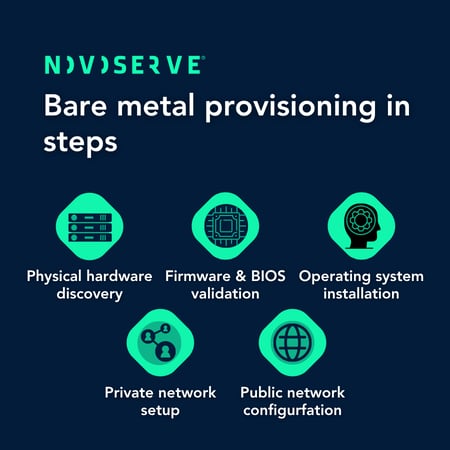
The Core Technical Steps
To get a server production-ready, a precise sequence of physical and logical steps must occur. Even in highly automated environments, these phases form the backbone of physical server deployment:
- Physical Hardware Discovery: This begins with identifying the physical assets in the data center inventory. Technicians or inventory systems locate the specific server chassis, verify serial numbers, and ensure the internal components match the exact order specifications.
- Firmware and BIOS Validation: Before an operating system touches the drive, the server’s firmware, UEFI, or BIOS versions must be thoroughly verified and matched to operational baselines. Remote management interfaces, such as the Baseboard Management Controller (BMC), are tested to ensure secure, out-of-band access.
- Operating System Installation: Once the hardware passes its initial validations, the chosen operating system image is streamed and written directly to the local storage drives, establishing the root environment.
- Private Network Setup: In enterprise production, servers rarely sit isolated. Engineers or automated systems provision private VLANs, allocate internal IP blocks, and configure switch ports to allow secure, low-latency communication between your internal database clusters and application nodes.
- Public Network Configuration: To handle external traffic, public IPv4 and IPv6 addresses are assigned, gateway routing is established, and network-level access control policies are applied to ensure the server can safely communicate with the wider internet.
Why Do Bare Metal Servers Take Longer to Provision?
To truly understand the timeline bottleneck, you have to look at the physical reality of the data center floor. Unlike virtual cloud environments where resources are instantly carved out of an existing pool via software, bare metal provisioning inherently requires dealing with real, tangible objects.
Every single deployment relies on essential hands-on hardware tasks. A physical machine must exist in the right location, be completely assembled, and be prepared for your specific workload. If the server configuration you need isn't already sitting active in a rack, the entire process must start from square one with physical labor.
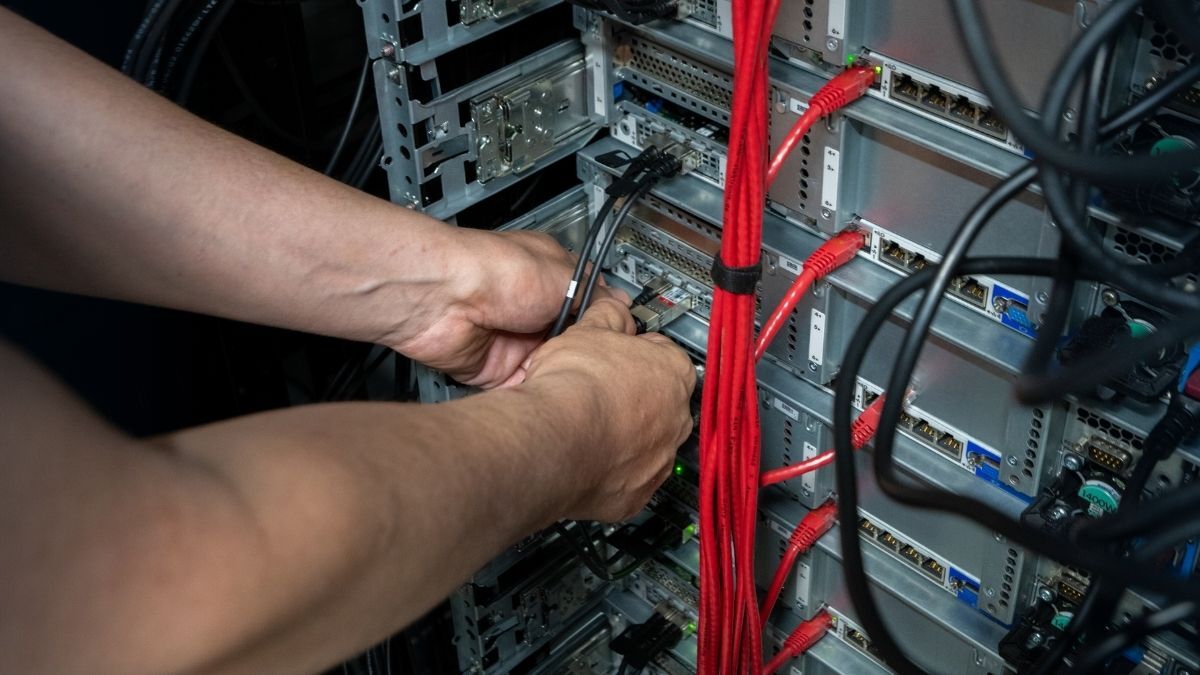
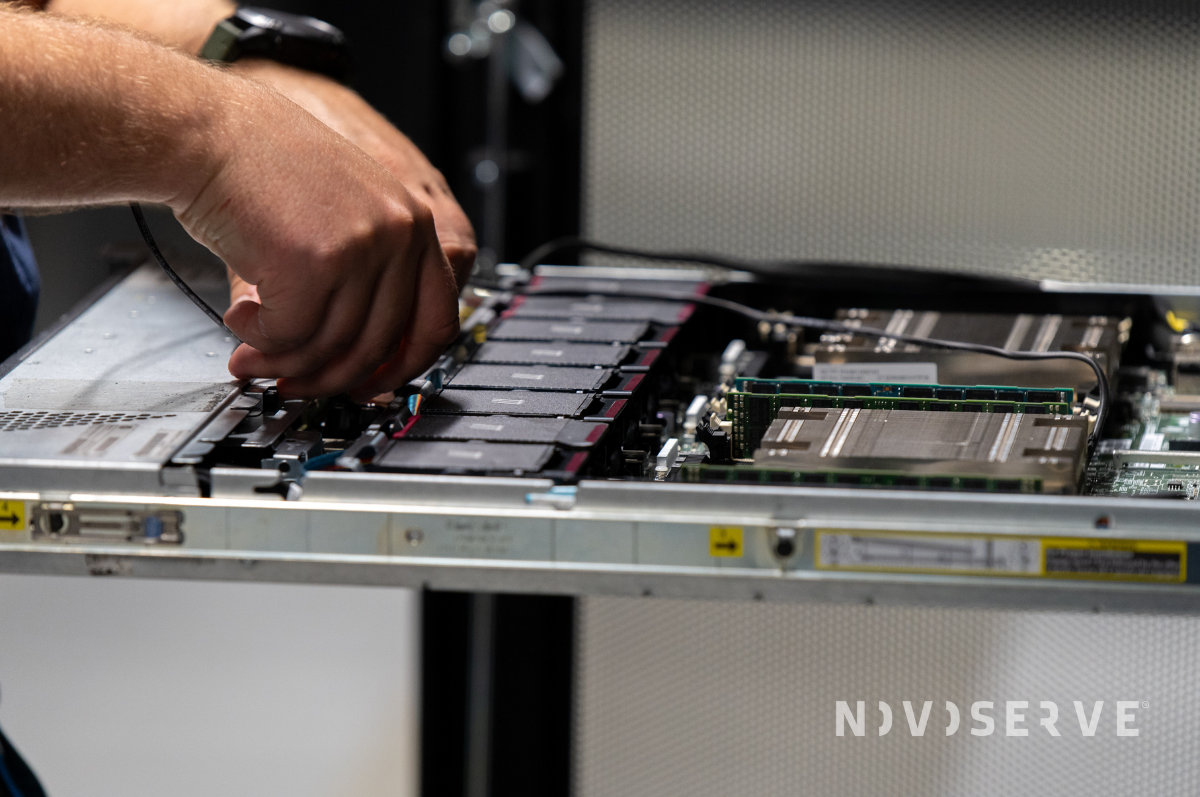
Racking and cabling form the primary physical foundation that cannot be bypassed by a software script. Data center technicians must physically transport the heavy server chassis to the assigned rack, mount it securely using sliding rail kits, and carefully route both the power delivery and the high-speed network cables to the top-of-rack switches. If a component as small as a network patch cable or a power distribution unit port is misconfigured or unplugged, the server remains completely isolated from the world. Managing these physical assets, tracking their serial numbers, and ensuring proper airflow and cooling variables simply takes physical time that virtual instances never have to account for.
Traditional Bare Metal Bottlenecks
In the traditional hosting market, bare metal provisioning has a reputation for being a slow, manual bottleneck. If a provider lacks localized inventory or modern orchestration software, the process is highly fragmented.
When a custom order comes in, a server engineer must physically unpack the chassis, mount it into a rack using rail kits, and manually run power and network cables to the top-of-rack switches. If components like specialized CPUs, maximum RAM sticks, or specific NVMe drives are missing, procurement and shipping delays can turn a deployment timeline from days into weeks.
Furthermore, traditional providers manually run extensive hardware burn-in tests to catch early component failures before handing the machine over to the client. When you add up manual data center ticket queues, shift patterns, and human handoffs between networking teams and hardware teams, a server that could run in hours often sits waiting for days.
The NovoServe Timeline
At NovoServe, we have eliminated the traditional friction of dedicated server deployment by developing our own proprietary software platform: CloudRack. This intelligent supervisor software constantly monitors, tests, and updates all the hardware and network infrastructure across our premium European and US data centers.
Because CloudRack continuously handles firmware baselines and automates network updating behind the scenes, we can bypass the typical delays that slow down other providers. Our deployment timelines are split into two highly efficient paths depending on your hardware needs.
Pre-Configured and Promo Servers (Ready in hours)
If you browse our EU or US server webshops and select one of our pre-configured models or promo servers, the physical labor is already complete. These machines are already cabled, racked, and fully tested by CloudRack.
When you place an order, our engineers do not need to take a single physical action. The network configuration is instantly pushed through our automated system. If you select your Operating System during checkout, CloudRack automatically installs it and provisions your login details within 2 to 4 hours. If you prefer to handle it later, you simply log into our client portal, select your desired OS, and the automation handles the rest. For any server already ready to deploy in our inventory, we comfortably guarantee next-day delivery.
Customized Configurations (1 to 5 Business Days)
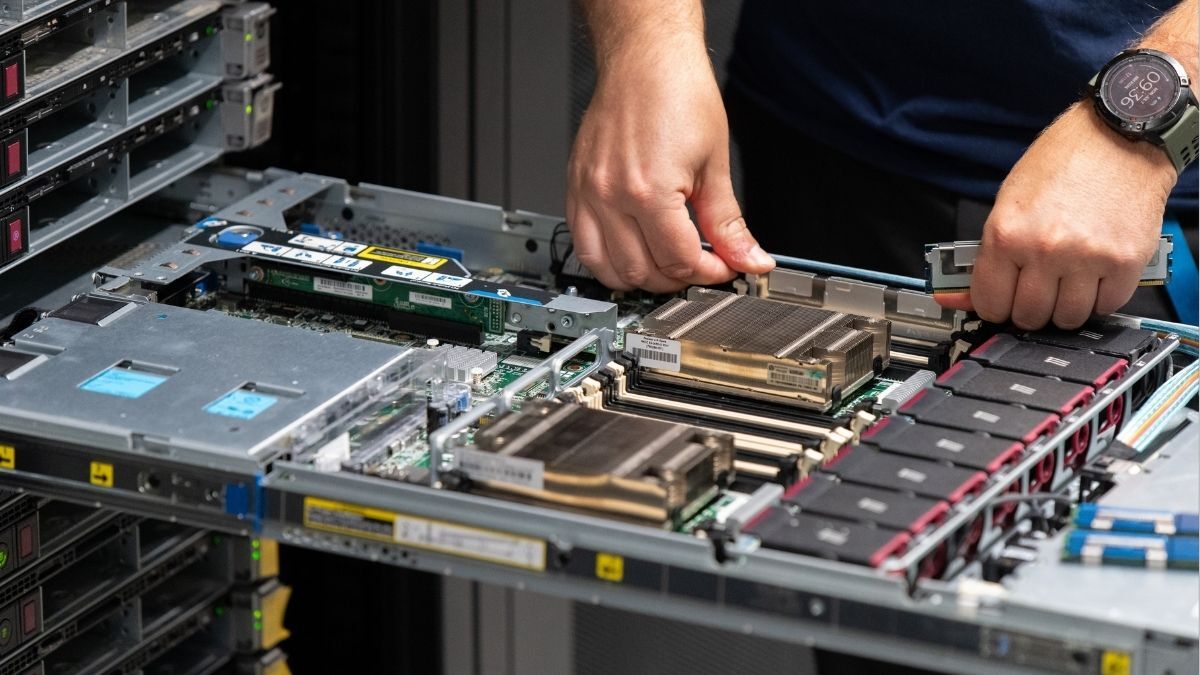
When your workload demands a bespoke architectural setup—such as adding specific high-capacity NVMe drives, expanding storage arrays, or swapping out physical chips—a NovoServe server engineer steps in to perform the physical hardware modifications.
Depending on the complexity of your custom build and our current data center queue, this tailored physical process takes between 1 and 5 business days. However, even with customized hardware, our network provisioning remains 100% automated. The moment our engineers finish upgrading the physical disks or memory and lock the chassis, CloudRack immediately takes over to automate the network routing, giving you rapid access to competitive, high-performance bare metal without administrative delays.
Unsure About Your Infrastructure Plan? Let’s Talk
Navigating the balance between rapid cloud scaling and raw bare metal performance can be challenging for infrastructure architects and IT leaders. If you are debating your provisioning timelines, looking for highly competitive bare metal pricing, or need advice on configuring a high-bandwidth cluster, you don't have to guess. Just speak to us at NovoServe, and our engineering team will help you build the exact infrastructure strategy your business needs.