.svg "novoserve-dedicated-server-provider-logo")
The AI boom is leading to a monopoly game of resources. AI infrastructure is effectively "crowding out" resources for traditional hosting, creating a dual-pressure environment where CapEx (hardware) and OpEx (power/operations) are rising for all market participants—even those who do not run AI codes.
As semiconductor manufacturers retool factories to prioritise high-margin AI components (like HBM memory), the supply of standard server components (DDR4 / DDR5, Enterprise SSDs) has artificially constricted. This scarcity is driving prices upward at a rate not seen since the supply chain crisis of 2021.
.png?width=900&height=900&name=DDR4%20256GB%20price%20estimates%20in%202026%20(in%20USD).png)
Memory (DRAM)
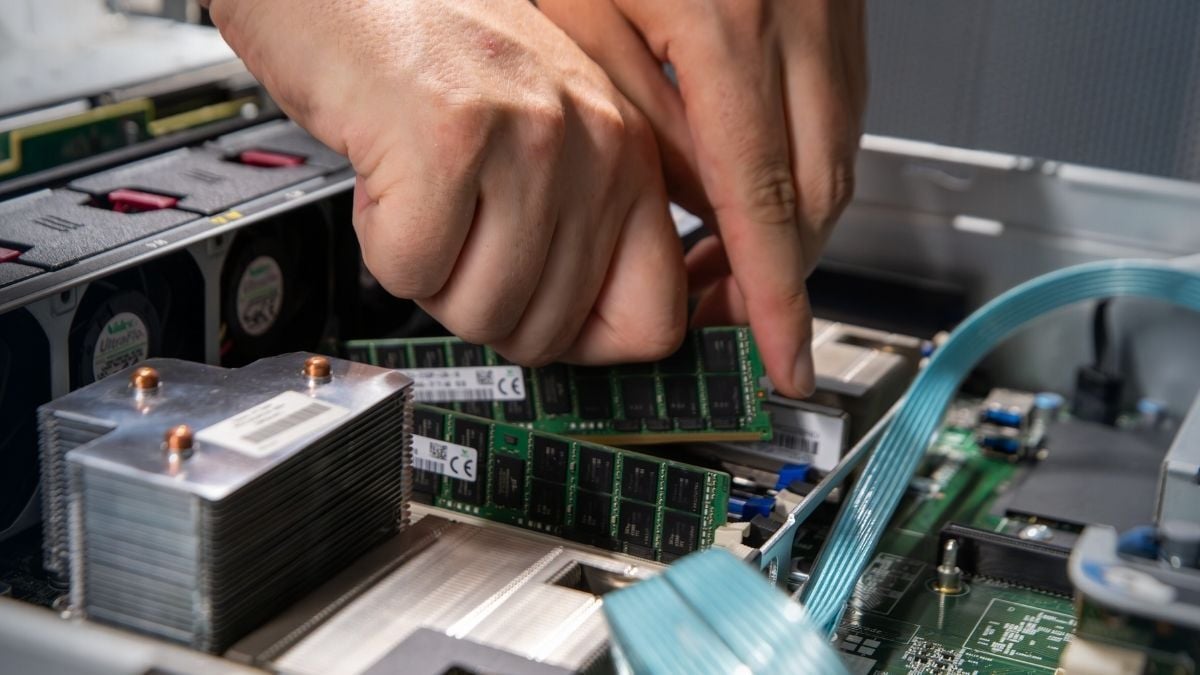
The most volatile component in the 2025–2026 server market is DRAM. The root cause is a manufacturing pivot: major fabricators like Samsung, SK Hynix, and Micron have shifted significant wafer capacity toward High Bandwidth Memory (HBM) to satisfy NVIDIA’s supply chain.
HBM production is complex and yield-heavy, consuming disproportionate factory resources. This leaves significantly less capacity for standard Server DRAM (RDIMMs and LRDIMMs). Standard server DRAM prices surged ~50% in late 2025. Current analyst forecasts from TrendForce indicate a further 60% increase in contract prices for Q1 2026 alone. Global DRAM inventory levels fell from a healthy 12 weeks in 2024 to a critical 2–4 weeks by October 2025, creating a seller’s market.
Below are server memory price changes and estimates in 2026, featuring data synthesized from spot market analysis and TrendForce forecasts.
.png?width=900&height=900&name=DDR5%20512GB%20price%20estimates%20in%202026%20(in%20USD).png)
Note: The 512GB DDR5 module utilizes rare "3DS" (3D Stacked) technology. With AI clusters demanding these for in-memory processing, they now command a scarcity premium, often exceeding $12,000 per module on the spot market.
Storage (NAND Flash / SSD)
While RAM is facing a production shortage, storage is facing a consumption crisis. AI training requires massive "data lakes" that burn through storage write cycles rapidly, depleting the global supply of high-endurance NAND, causing a price hike in the storage market.
Enterprise SSD contract prices rose 40–50% in Q4 2025. TrendForce predicts an additional 33–38% increase in Q1 2026. Companies are forced to buy higher-end "Write Intensive" (DWPD > 3) drives to cope with AI log generation. This demand has pushed the average unit cost higher, as standard "Read Intensive" drives used in web hosting are deprioritized on production lines.
Contract prices for raw NAND wafers increased by over 60% month-over-month in late 2025, a cost that is now being passed downstream to server integrators.
Server Chassis & Components
Even the "metal" itself is becoming more expensive. Standard bare metal servers share critical components with AI servers, specifically power supplies (PSUs) and networking cards (NICs). Major OEMs (Dell, HPE, Lenovo) have signaled ~15% price hikes on standard servers due to component scarcity.
A high-performance 100Gbps NIC used in a standard streaming server uses the same chips as the interconnects in an AI cluster. AI buyers purchase these in batches of 10,000, leaving traditional buyers with doubled lead times (often 6+ months) and higher spot prices.
OpEx: Power, Space & Cooling
Perhaps the most permanent shift is in Operational Expenditure (OpEx). Data centers are consuming power faster than national grids can be upgraded, making "available power" a premium commodity. In the EU (especially the FLAP markets: Frankfurt, London, Amsterdam, Paris), grid queues for new connections can last 3–5 years. Data centers consumed ~4% of total US/EU electricity in 2024; this is projected to hit 9% by 2030.
The rapid expansion of data centers has correlated with significant electricity price hikes in key US markets:
⚡️ Maine: +95% increase (Highest in the US).⚡️ California: +64% increase (Home to 320+ data centers).
⚡️ Connecticut: +59% increase.
⚡️ New Jersey: +55% increase.
Note: NovoServe operates a major hub in New Jersey. While this regional inflation (+55%) places upward pressure on colocation and energy costs, it also highlights the critical importance of efficiency. Providers without hedged energy contracts in these states are being forced to pass 100% of these hikes to customers immediately.
The math has changed. In 2024, building your own rack was a viable cost-saving strategy. In 2026, it is a financial risk through the AI boom and the scarcity of memory and storage.
If you attempt to build your own infrastructure today, you are purchasing hardware at the top of the "Super-Cycle," paying ~$4,000 for RAM that cost $1,500 a year ago. Finding competent data center engineers is difficult and expensive, as they are being recruited aggressively by hyperscalers. Basically, you are depreciating assets that were purchased at an inflated premium.
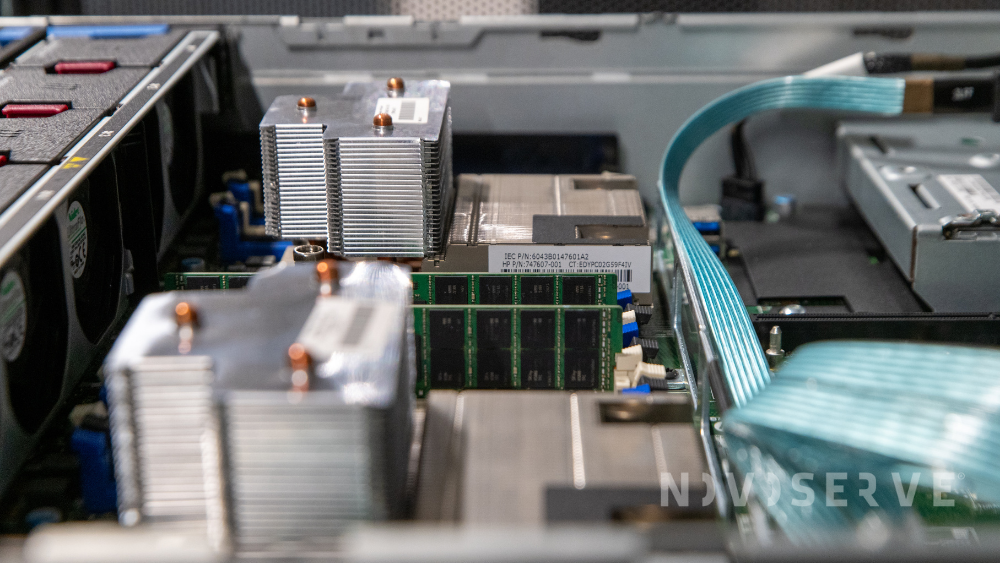
It is undoubted that the convergence of rising CapEx (RAM/Flash) and OpEx (Electricity) impacts the entire industry, including NovoServe.
Luckily, we anticipated the "Memory Super-Cycle." NovoServe holds a significant strategic stockpile of DDR4 and DDR5 and Enterprise NVMe SSDs acquired before the Q4 2025 price explosion. We are therefore able to limit the price increase in our dedicated server offerings to our global clients.
Despite the insane hardware component scarcity and the energy hike in the US, our promo servers remain aggressively priced. We absorb the volatility so you can focus on deployment. We don’t quote 6-month lead times like some OEMs, our high-spec servers are ready to deploy right away.
With NovoServe, you bypass the CapEx volatility. You ignore the OpEx spikes. You leave the hardware engineering to us, and focus entirely on your code.