.svg "novoserve-dedicated-server-provider-logo")
Over my 20 years in IT consulting, the infrastructure landscape has completely flipped. I spent the first 15 years migrating companies into the virtualized public cloud. Today, my focus is almost entirely on moving them back out to bare metal.
The industry narrative heavily pushes the multi tenant SaaS model as the default standard for everything. However, the reality I see from daily communications with clients challenge what the most percieve. When I speak with CTOs from fast-growing FinTech platforms, AdTech agencies, and CRM software companies, the feedback is remarkably consistent. As their platforms scale, the hidden costs of shared virtualization destroy their profit margins.
I see established tech companies reclaiming their infrastructure by moving core applications to isolated environments. Whether a business needs standard application hosting or complex database clusters, owning the raw compute power completely changes the operational economics. Single-tenant infrastructure simply carries less risk, offers more control, and provides the flexibility required to run custom software projects efficiently.
The multi tenant SaaS model
Shared cloud infrastructure is built entirely on hardware oversubscription. Providers pack as many virtual machines onto a single physical host as possible to maximize their own margins.
For a growing SaaS company, this creates a severe "noisy neighbor" effect. In my daily communications with CRM and AdTech providers, unpredictable latency is their most frequent complaint. A CRM company cannot afford to have their database read/write speeds drop by 40% simply because another unknown company sharing the same hardware decided to run a massive data extraction script.
Your software’s performance degrades, yet your code is perfectly optimized. You simply have zero control over the underlying hardware layer. To guarantee stability and protect your user experience, you must isolate the workload.
The single tenant dedicated server
The primary driver for moving to a single tenant server is margin protection. Public cloud pricing models are designed to capture more revenue exactly as your company grows.
Cloud egress fees, memory upgrades, and guaranteed IOPS do not scale linearly; they scale exponentially. This financial trap catches many companies off guard once their user base expands. When you deploy a single tenant dedicated hosting environment, you bypass this trap. You pay a flat, predictable monthly rate for the entire machine.
Over the last five years of my consultancy, migrating established SaaS platforms to an isolated single tenant SaaS architecture reduced their monthly compute budgets by an average of 35% to 50%. You bypass the virtualization markup entirely. Securing a dedicated server for SaaS allows your engineering team to allocate 100% of the CPU threads and RAM directly to your application without the 10-15% performance tax typical of hypervisor overhead. For a high-traffic AdTech platform processing millions of bids per second, that reclaimed compute power translates directly into higher revenue margins.
The single tenant SaaS architecture
A common misconception is that bare metal limits agility. In reality, scaling a single tenant SaaS architecture relies on horizontal scaling at the application layer rather than vertical scaling via a restrictive cloud dashboard.
AdTech and FinTech companies utilize load balancers to distribute traffic across a cluster of single tenant servers. When you outgrow a machine, you simply provision another single tenant physical server and add it to your cluster. With modern automated provisioning tools and APIs, deploying a new bare metal node takes minutes, giving SaaS companies the automation of the cloud combined with the raw, unthrottled power of isolated hardware.
In my daily communications with development teams, the shift in mindset is profound. Instead of optimizing code to run within the restrictive limits of a multi-tenant cloud instance, developers have the freedom to utilize the full capacity of enterprise processors. They can cache more data in RAM and execute faster database queries, vastly improving the end-user experience.
Stability and reliability
Beyond direct cost savings, risk reduction is a massive factor for established software companies. A single tenant SaaS architecture inherently provides a much smaller attack surface.
You are not sharing an operating system kernel, a hypervisor layer, or memory space with unknown third parties. This is exactly why FinTech companies choose bare metal servers. Compliance requirements for healthcare and financial data processing often mandate strict, auditable data isolation. A single tenant hosting setup guarantees that your clients' sensitive data never touches the exact same silicon as another company's data.
Moving to this model also gives your team full IPMI and root access. You control the exact operating system version, the specific kernel patches, and the security protocols deployed. You dictate the hardware lifecycle, meaning your servers reboot or update only when your maintenance window allows it, ensuring total reliability for your end-users.
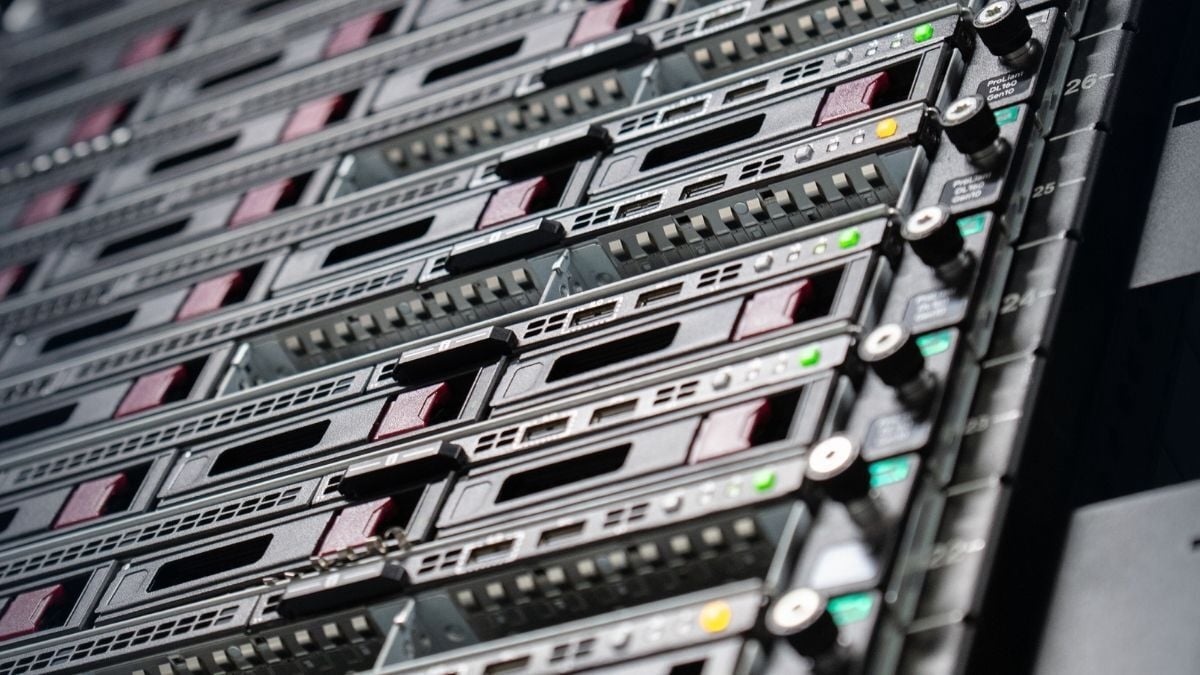
Single tenant dedicated hosting rental
Transitioning to an isolated environment requires reliable foundational hardware and enterprise-grade networks. Consumer-grade components will fail under sustained enterprise SaaS workloads.
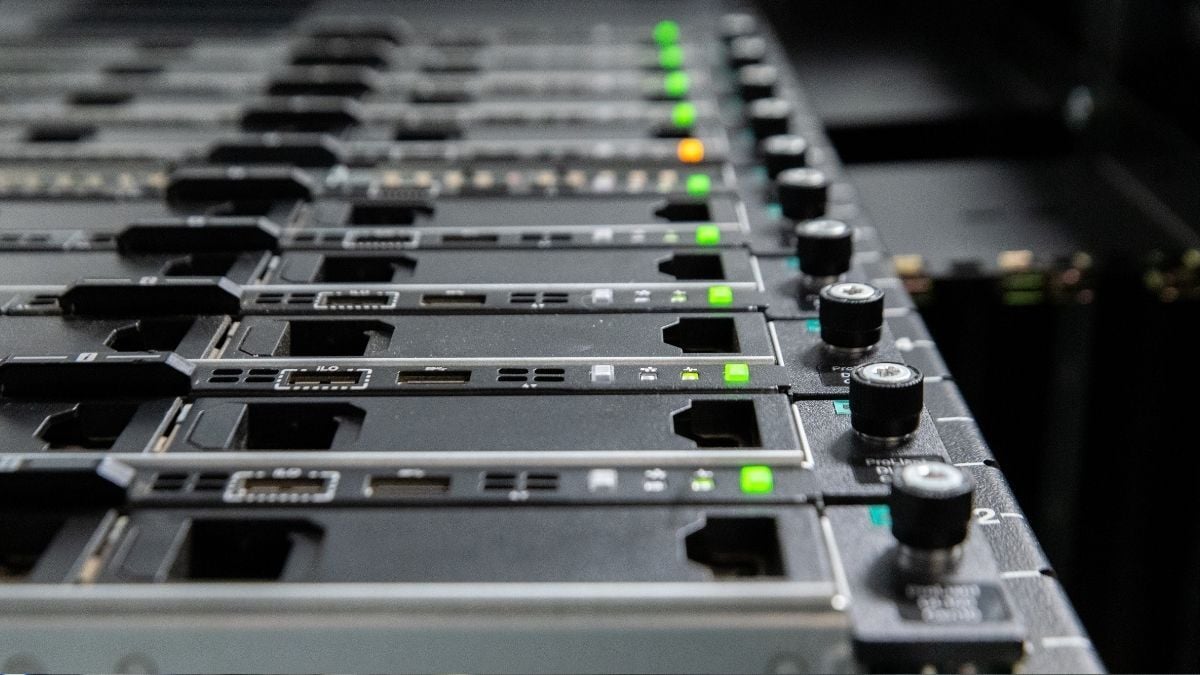
NovoServe exclusively utilizes enterprise-grade hardware, specifically proven HPE and Supermicro chassis, ensuring high availability and comprehensive out-of-band remote management capabilities. Building a robust single tenant dedicated hosting rental strategy also demands massive bandwidth overhead to handle traffic spikes.
We operate a 19+ Tbps network backbone, multihomed across premium Tier-1 carriers like Arelion, Cogent, and NTT. This infrastructure ensures your application remains highly responsive globally. Furthermore, for SaaS companies delivering heavy assets, software updates, or video content, utilizing an unmetered bandwidth package entirely eliminates the fear of bandwidth overage bills. You pay for the port speed, and you utilize it 24/7 without penalty. This approach provides the ultimate combination of scalability, raw power, and financial predictability.