Selecting the right infrastructure is the most critical architectural decision you will make for your application or platform’s performance. When browsing a server webshop, the list of dedicated server specs can be overwhelming. Do you need the high-frequency instruction execution of Intel Xeon or the massive PCIe lane density of AMD EPYC? Is the queue depth of a SATA SSD sufficient, or does your database require the raw throughput of NVMe U.2?
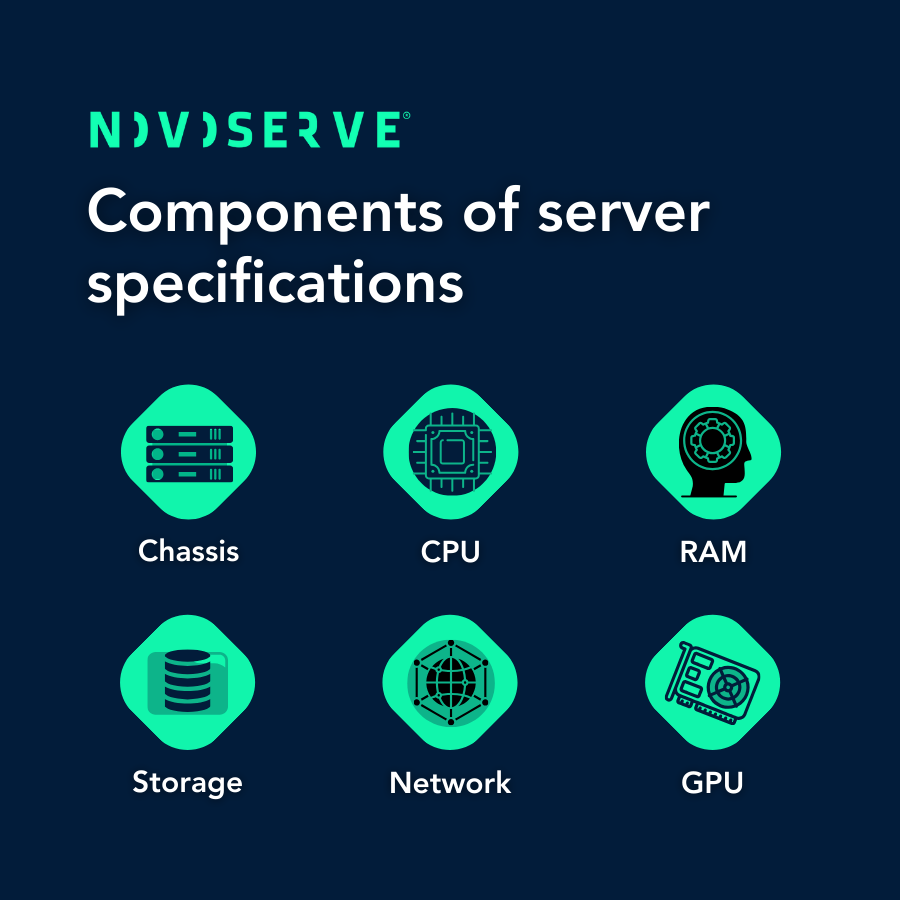
Let NovoServe help you break down the components of server specifications. We explain what they do and how NovoServe’s specific hardware offerings—from enterprise HPE workhorses to specialized Supermicro GPU platforms—can be tailored to your exact workload.
The Anatomy of a Server
To build the perfect environment, you need to understand the building blocks. Here is a technical analysis of the hardware available in our fleet.
The Server Chassis
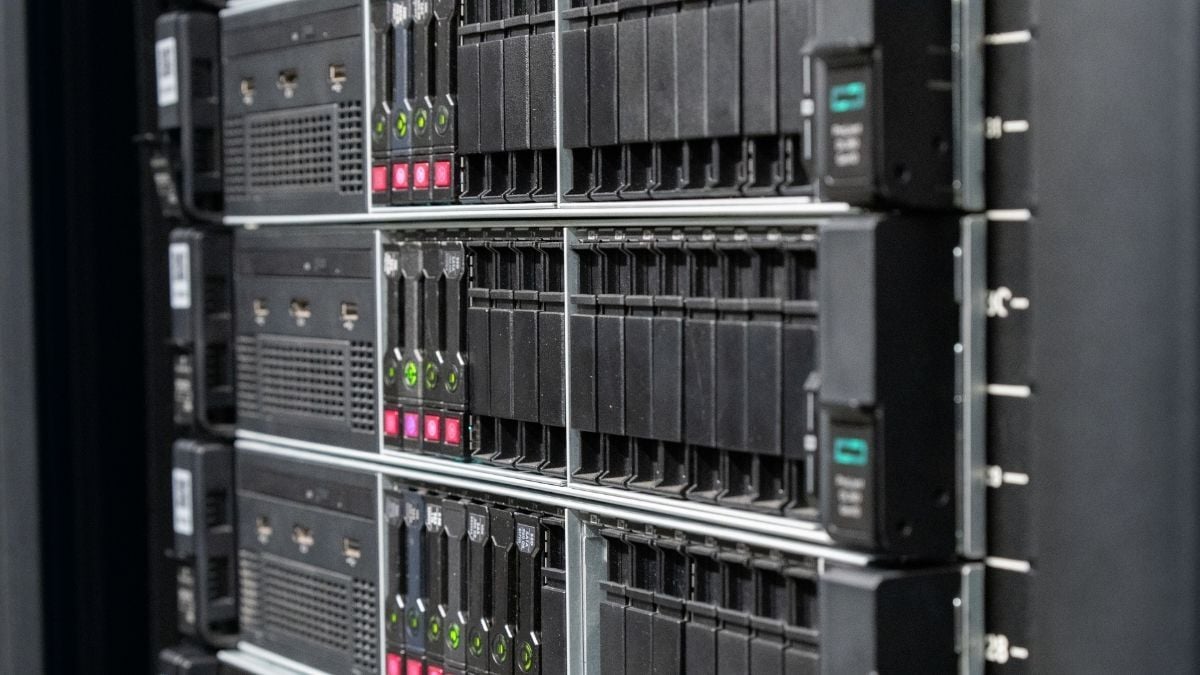
The chassis is more than just a metal box; it dictates the thermal envelope, drive density, and expansion capabilities of your server. At NovoServe, we operate a diverse fleet of HPE ProLiant and Supermicro systems tailored for specific roles:
- Entry-Level Enterprise (HPE DL160): A compact 1U server designed for web hosting and SMB applications. It offers the reliability of HPE ProLiant silicon without the cost overhead of unneeded expansion slots.
- The Versatile Standards (HPE DL360 & DL380): These are the backbone of the modern data center. The DL360 (1U) and DL380 (2U) Gen9, Gen10, and Gen11 systems feature advanced thermal logic, utilizing arrays of high-static-pressure fans to cool high-TDP components efficiently. They offer extensive remote management via iLO.
- AMD Virtualization Powerhouse (HPE DL325 & DL385): Specifically engineered for the AMD EPYC architecture. The DL385 supports massive memory bandwidth and high core counts, making it the ultimate platform for VDI and high-density virtualization clusters.
- Mission-Critical Scale-Up (HPE DL580): When "standard" isn't enough. The DL580 is a massive 4U, quad-socket beast capable of running 4x Intel Xeon processors simultaneously. It is designed for mission-critical databases (SAP HANA), massive in-memory computing, and workloads that cannot tolerate failure.
- Specialty High-Density (Supermicro): For niche workloads like Storage Servers (12+ LFF drives) or GPU Servers (up to 8x active accelerator cards), we leverage Supermicro chassis designed with optimized airflow zones to handle extreme thermal loads.
The Processor (CPU)
The CPU defines your server's character. We categorize our inventory into two architectural philosophies:
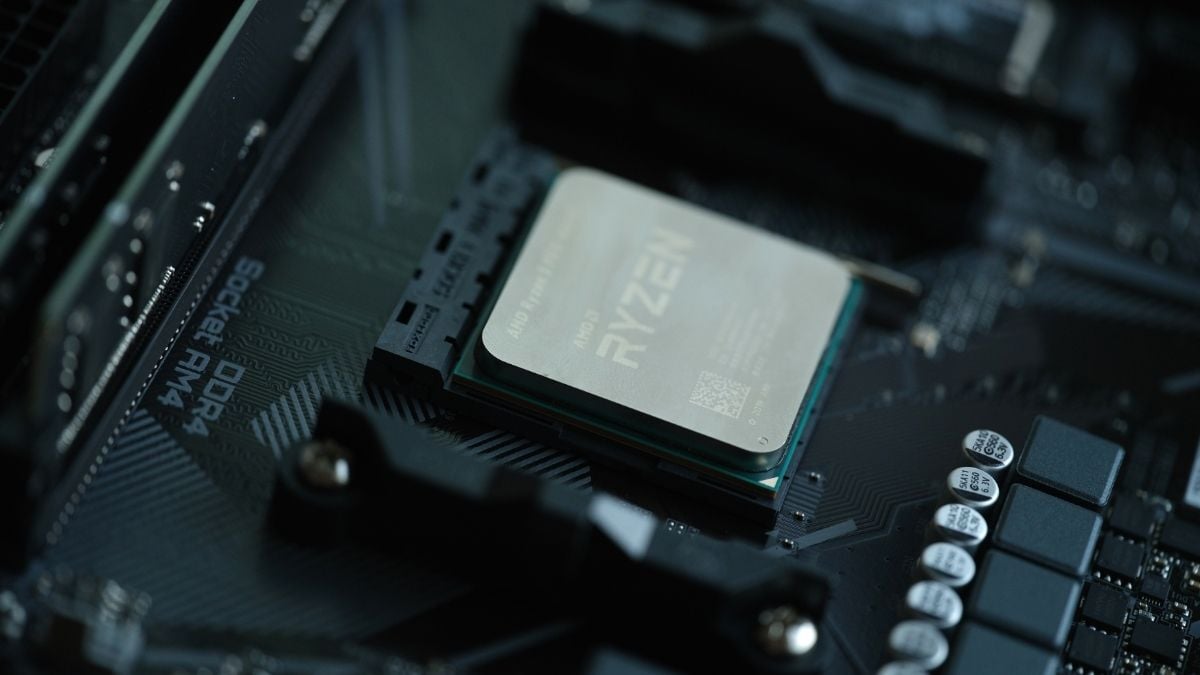
- Intel Xeon: Historically favored for high clock speeds (GHz) and strong single-thread performance. Our fleet ranges from cost-effective Xeon E5 v4 to the latest Intel Xeon Scalable (Gold/Platinum) processors. These are ideal for latency-sensitive applications, legacy databases, and game server hosting where per-core performance is king.
- AMD EPYC: The leader in core density and I/O. EPYC processors provide massive core counts (up to 128 cores per socket). This makes them the superior choice for virtualization (VM density), containerization (Kubernetes), and high-throughput workloads that require massive bandwidth between the CPU and NVMe drives.
Random Access Memory (RAM)
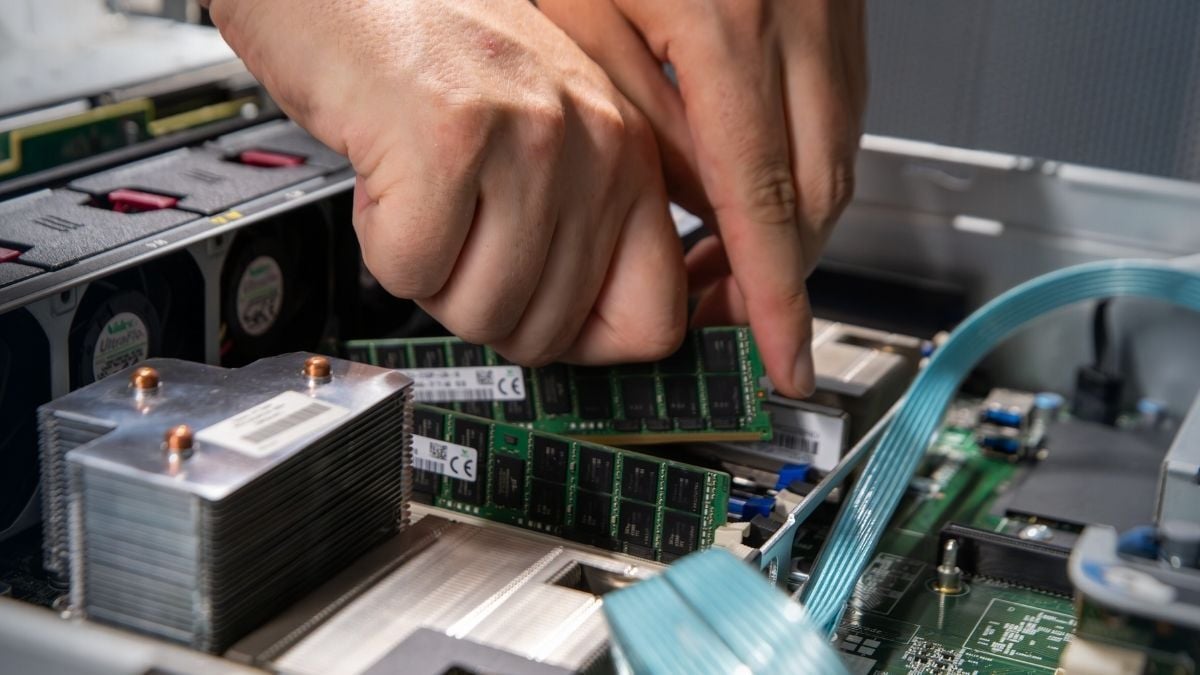
In a dedicated environment, RAM is the high-speed workspace for your data. We exclusively use ECC (Error-Correcting Code) RAM, which detects and corrects single-bit memory errors to prevent data corruption and system crashes—a mandatory feature for enterprise stability. At NovoServe, flexibility is key. You can configure servers starting at 32GB DDR4 for web servers, scaling up to 2048GB (2TB) of RAM. High RAM capacity is essential for in-memory databases (Redis, SAP HANA) and reducing disk I/O wait times in virtualization clusters.
The Storage
Storage bottlenecks are the most common cause of server sluggishness. We offer tiered storage solutions:
- HDD (Spinning Disk): Unbeatable cost-per-TB. We support arrays up to 792TB, ideal for object storage and backups.
- SATA SSD: The standard for boot drives and web applications, capped at 6Gbps interface speeds.
- NVMe (Non-Volatile Memory Express): Connecting directly to the PCIe bus, NVMe bypasses the SATA controller limit. While we support M.2, we strongly recommend U.2 NVMe for enterprise deployments. Our "8U.2" server models (e.g., HPE DL360 Gen10 8U.2) allow for 8x high-performance NVMe drives in a RAID configuration.
Network & Connectivity
A fast server is useless on a congested network.
- Port Speed: We offer dedicated uplinks ranging from 1Gbps to 50Gbps. This is your dedicated pipe to the internet.
- Backbone: Our servers connect to a proprietary global network AS24875 with 16Tbps+ capacity. In the US, our network backbone is AS939. We offer true unmetered bandwidth, meaning no fair-use policies and no traffic shaping.
GPU (Graphic Processing Unit)
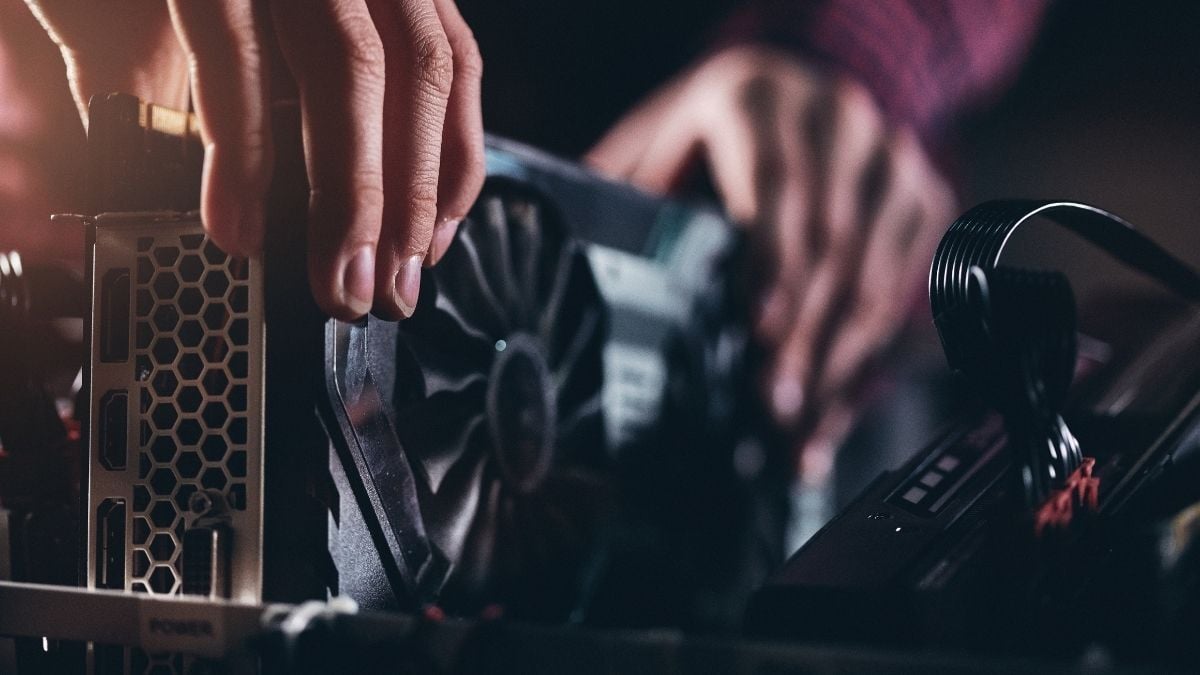
For parallel processing workloads, standard CPUs are inefficient. Our specialized GPU servers support up to 8x cards per chassis. We offer a range from NVIDIA A4000s for transcoding to high-end H100s for Large Language Model (LLM) training. These systems are equipped with redundant high-wattage Power Supply Units (PSUs) to handle the immense power draw.
Operating System (OS) & Management
You have bare metal access. Our automated OS Installer allows you to deploy Linux distributions (Ubuntu, CentOS, Debian, AlmaLinux) automatically. For the other operating systems, you can also make used of our out-of-band management and mount an ISO image. You also receive a dedicated IPv4 address and a generous IPv6 subnet.
What are the "Minimum Specs" for a Dedicated Server?
In the hosting world, "minimum" should not mean "consumer-grade." A professional dedicated server must meet enterprise standards to ensure data integrity and uptime.
Even our most affordable entry-level server meets these strict server specifications. Here is for example our Rotterdam packet deal (€59 Promo):
- CPU: 1x Intel Xeon E5-2430L (6 Cores, 2.4GHz)
- RAM: 64GB DDR3 ECC
- Storage: 2x 480GB Enterprise SSD
- Network: 1Gbps Unmetered Premium Network
- Redundant Power: Dual PSUs where possible.
This proves that you don't need a massive budget to access enterprise-grade reliability, IPMI management, and low-latency networking.
Matching Server Specs to Your Use Case
Different workloads stress different hardware subsystems. Below is a technical breakdown of the specifications required for common server roles.
Server specs for a file sharing / storage server?
Primary Bottleneck: Storage Capacity & Network Throughput.
Recommended Specs:
- CPU: Moderate clock speed is sufficient; high core count is not required unless doing heavy encryption/compression (ZFS).
- RAM: ECC RAM is vital for file system caching (ZFS ARC). Aim for 1GB RAM per 1TB of storage.
- Storage: Large Form Factor (LFF) Chassis (12-36 bays). High-capacity SAS/SATA HDDs (10TB+). Hardware RAID controller (RAID 6 or 60) is critical for redundancy and rebuild times.
- Network: 10Gbps Unmetered uplink to prevent saturation during concurrent user downloads.
Server specs to host games (Minecraft, Rust, ARK)
Primary Bottleneck: CPU Single-Thread Performance.
Recommended Specs:
- CPU: This is the most critical component. Game engines often rely on a single main thread loop. A 3.5GHz+ clock speed is preferred. An Intel Xeon E-Series or high-frequency Scalable Gold is superior to a lower-frequency 64-core AMD EPYC.
- RAM: 32GB to 64GB is usually sufficient, but speed (DDR4/DDR5) matters.
- Storage: NVMe is mandatory. Map loading and chunk generation rely on random read/write speeds (IOPS).
- Network: Low latency is more important than volume. Our premium network peering ensures low ping.
Server specs for discord bots & Microservices
Primary Bottleneck: RAM & Reliability.
Recommended Specs:
- CPU: Bots are essentially scripts listening for events. They are lightweight on CPU cycles. A standard Xeon E5 is more than enough.
- RAM: If you are hosting thousands of bots (sharding), memory usage scales linearly. 64GB to 128GB allows for massive scaling density on a single box.
- Storage: Standard Enterprise SSDs are sufficient for database logs.
- Architecture: Focus on redundancy. Using two smaller servers behind a load balancer is often better than one massive server.
Server specs for media streaming (VOD / OTT / IPTV)
Primary Bottleneck: Network Bandwidth & Disk Read Speed.
Recommended Specs:
- Network: This is non-negotiable. You need a Dedicated Port (not shared) with 10Gbps to 50Gbps Unmetered capacity.
- Storage: For Video on Demand (VOD), you need high sequential read speeds. NVMe U.2 arrays (RAID 10) are recommended to serve thousands of concurrent video chunks without I/O wait times.
- CPU: If you are doing live transcoding (e.g., converting 4K to 1080p on the fly), you need a dual-socket system with high core counts or a GPU-accelerated server (NVIDIA A4000).
Server specs to host a VPN endpoint
Primary Bottleneck: CPU Encryption (AES-NI) & Network PPS.
Recommended Specs:
- CPU: Must support the AES-NI instruction set to handle encryption/decryption at line speed without overhead. Modern Intel Xeons and AMD EPYCs support this natively.
- Network: High Packet Per Second (PPS) processing capabilities. A 1Gbps or 10Gbps unmetered port is standard to ensure user throughput isn't throttled.
- RAM: Moderate requirements (32GB-64GB) depending on the number of concurrent tunnels.
Need Help Picking Server Specs?
Hardware configurations can be complex, and over-provisioning wastes budget while under-provisioning kills performance. You don't have to guess.
If you are unsure which dedicated server specs align with your project, talk to our infrastructure experts. We can analyze your current traffic and workload to suggest a custom configuration—whether it's a single high-frequency node or a multi-server private cloud.