.svg "novoserve-dedicated-server-provider-logo")
Public cloud providers like AWS, Azure, and Google Cloud promised infinite scalability, lower costs, and zero maintenance. But the narrative has shifted. A massive correction is underway. This phenomenon is known as Cloud Repatriation. Companies are realizing that renting cloud forever isn't sustainable. We are going to cut through the noise and look at the real trends driving this move in 2026—from the stability of bare metal to the hard truth about cloud costs and data sovereignty.
What is Cloud Repatriation?
Cloud repatriation meaning in short: Taking back control of your infrastructure to lower costs, improve performance, and ensure data ownership.
Cloud repatriation is the strategic process of moving applications, workloads, or data away from public cloud environments (such as AWS, Google Cloud, or Microsoft Azure) and migrating them to on-premises data centers, colocation facilities, or dedicated bare metal infrastructure.
It is not a rejection of the cloud model entirely, but rather a correction. It is the realization that while the public cloud is excellent for elastic workloads (like a startup experiencing viral growth), it is often the wrong financial and technical choice for predictable, steady-state workloads at scale.
Cloud Repatriation Trends
Is cloud repatriation just a buzzword that the internet talks about? The data suggests otherwise. It is set to be a dominant infrastructure strategy for 2026.
According to a major survey by Barclays, an astonishing 83% of enterprises reported plans to repatriate at least some of their workloads from public cloud to private infrastructure. This aligns with findings from IDC, which reported that 70-80% of companies are repatriating data annually.
The "Cloud Paradox": A report by Andreessen Horowitz (a16z) highlighted that public cloud spending can weigh down a software company's gross margins by 50% or more. Repatriating these workloads can double their market valuation.
Hybrid is the Winner: The Flexera State of the Cloud Report indicates that while cloud adoption grows, 42% of workloads are being moved from public clouds to private clouds or on-premise solutions to optimize costs.
Cost Savings: Companies like 37signals (creators of Basecamp) famously saved $7 million over five years by leaving the public cloud for their own hardware. This success story has triggered a wave of similar moves across the SaaS industry.
Driver #1: Stability & Performance
For years, the public cloud was sold as the ultimate in reliability. However, recent years have proven that "the cloud" is just someone else's computer—and it breaks.
When a major region of a hyperscaler goes down, it takes half the internet with it. This is the Centralization Risk.
There are so many lessons of cloud outages that we have learnt so far. The instability of centralized public clouds has been highlighted by several high-profile incidents that are driving decisions for 2026:
- Cloudflare (November 18, 2025): A bug in their Bot Management system caused a massive global outage. While Cloudflare is a CDN/Security layer, the outage rendered thousands of sites and APIs inaccessible, highlighting the fragility of centralized dependencies.
- Azure (July 2024): A global outage impacted airlines, banks, and broadcasters. The cause was a faulty update from a third-party security vendor (CrowdStrike), but the cascading failure within the Azure ecosystem left millions of endpoints useless.
- AWS us-east-1 (Recurring): The infamous us-east-1 region has suffered multiple degradations in performance and packet loss events throughout late 2024 and 2025, impacting services like Disney+, Netflix, and Ring.
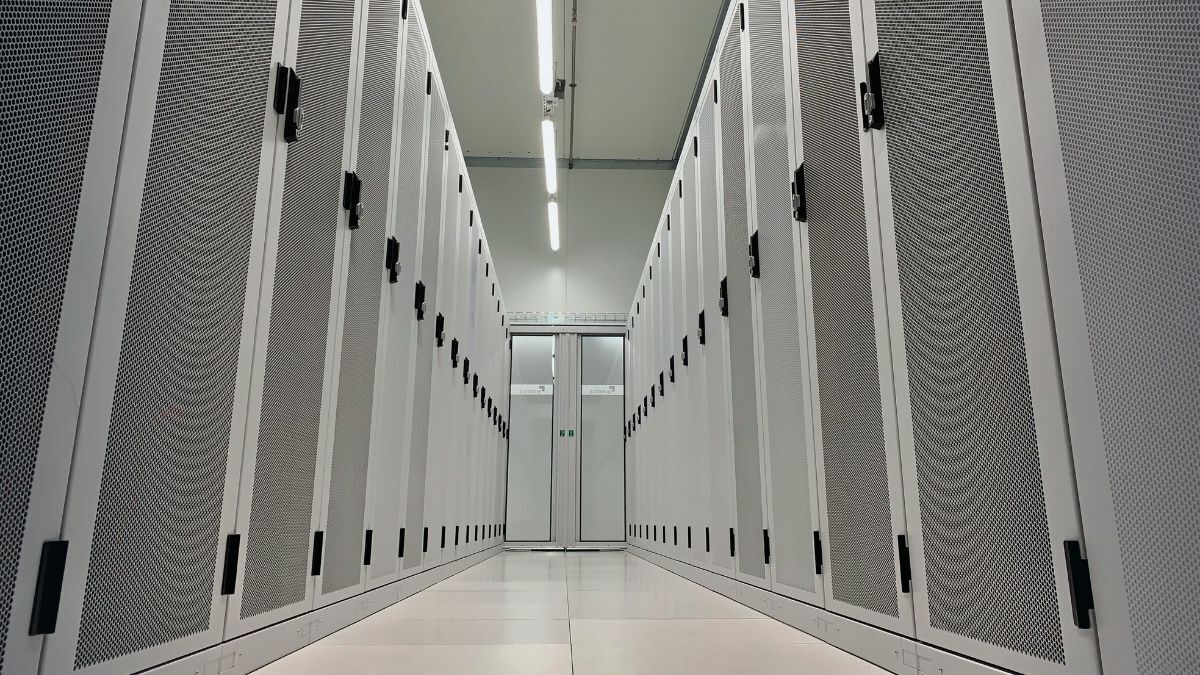
The Repatriation Advantage: By moving to a dedicated server or private cluster, you eliminate the "noisy neighbor" effect. Your resources are physically yours. If another customer on the network gets attacked, your isolated bare metal environment remains stable.
Driver #2: The Cost Trap
The most common reason for cloud repatriation remains the bill.
Public cloud pricing is designed to be low-friction at the start but scales aggressively. The hidden killers are Egress Fees (the cost to move your data out of the cloud) and API request costs.
Public Cloud vs. Dedicated Infrastructure:
- Public Cloud: You pay for every GB of data transfer, every IOPS (disk operation), and every hour a CPU runs. An idle server still costs money.
- Repatriated Private Cloud: You pay a flat monthly fee for the hardware and the network port.
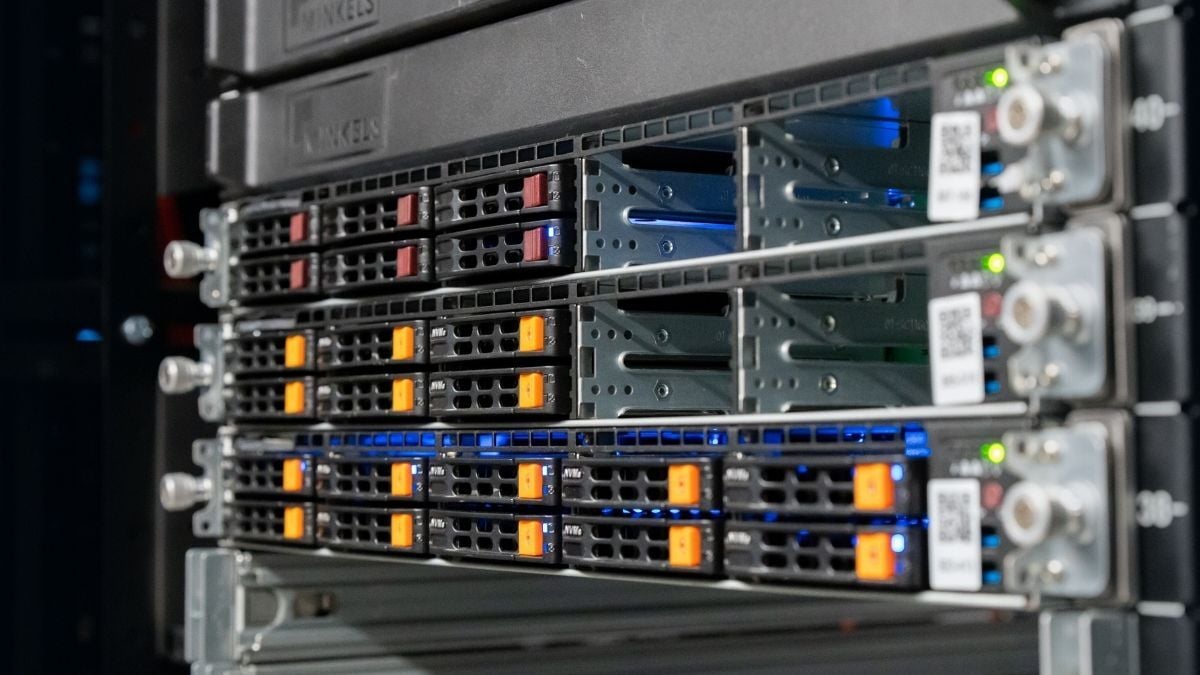
Example: A 10Gbps unmetered dedicated server from a provider like NovoServe allows you to push petabytes of data for a fixed price. On AWS, that same bandwidth could cost upwards of $10,000/month in egress fees.
For AI companies and streaming platforms, this difference is existential. Repatriation turns variable, unpredictable OpEx (Operating Expenses) into fixed, predictable costs.
Driver #3: Data Sovereignty & Compliance
In 2026, data is not just an asset; it is a liability if managed incorrectly.
Regulations like GDPR (Europe) and various national data protection laws are forcing companies to know exactly where their data physically sits. One example is the US Cloud Act. Under this act, data hosted with US-owned hyperscalers (even in their European data centers) can theoretically be accessed by US law enforcement.
By repatriating data to a local bare metal provider (like NovoServe), organizations guarantee that their data remains under strict local jurisdiction. NovoServe has set up completely separate legal entities and portals in Europe and the United States to ensure your data sovereignty.
For FinTech, Healthcare, and Government sectors, repatriation is often the only way to ensure 100% compliance with local data residency laws.
Beginner Guide to Cloud Repatriation
Moving back from the cloud is not as simple as flipping a switch. It requires planning. If you are considering repatriation for 2026, evaluate these four factors:
- Workload Predictability: Repatriation works best for stable workloads. If your traffic spikes by 10,000% for one hour a year, public cloud might still be better. If your traffic is consistent (streaming, database, SaaS application), bare metal is superior.
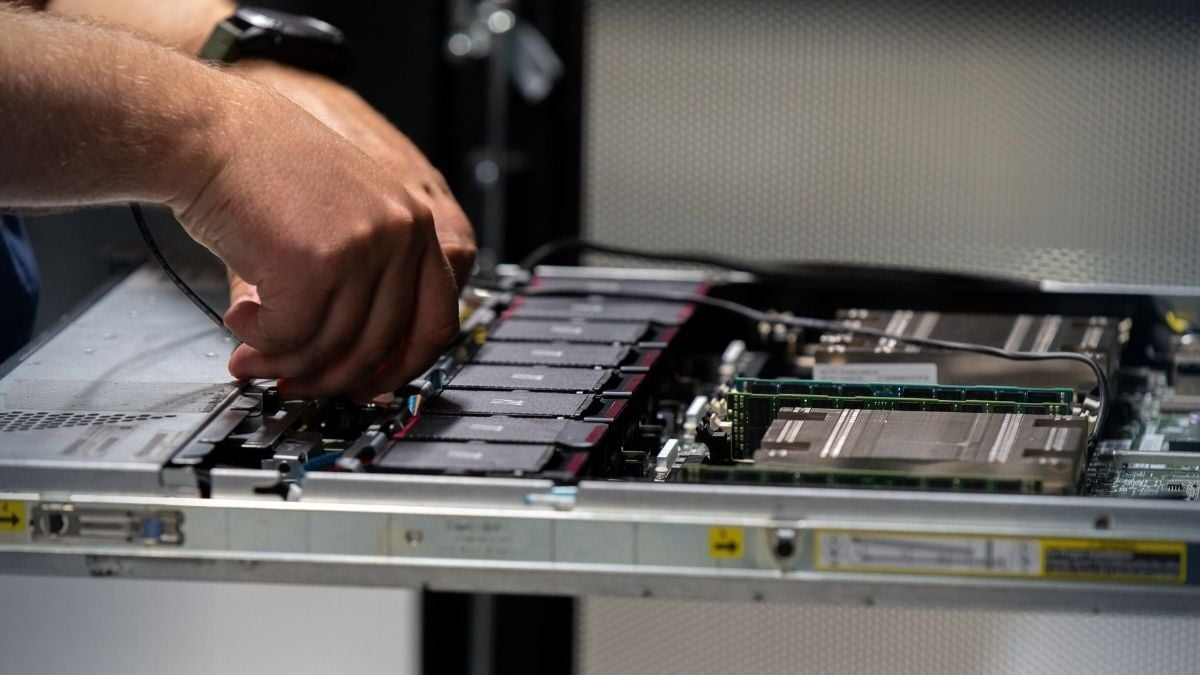
- Talent Gap: Do you have sysadmins? Public cloud abstracts away the hardware. Repatriation means you (or your managed provider) need to understand Linux, networking, and server management again.
- Capital Expenditure (CapEx): Are you ready to buy hardware or sign a dedicated server lease? Cloud repatriation often moves costs from "pay-as-you-go" to "subscription-based."
- The Hybrid Approach: You don't have to leave entirely. Many companies adopt a Hybrid Cloud strategy—keeping their frontend on the public cloud for global distribution while moving their heavy databases and backend processing to dedicated servers to save money.
"Is it time to bring your data home?"
Cloud repatriation is about maturity. It’s the moment a business stops renting an expensive hotel room and decides to rent or buy its own house.
If you are ready to explore the stability and cost-savings of high-performance dedicated infrastructure, just plan a meeting with NovoServe to discuss your cloud repatriatoin strategy for 2026.